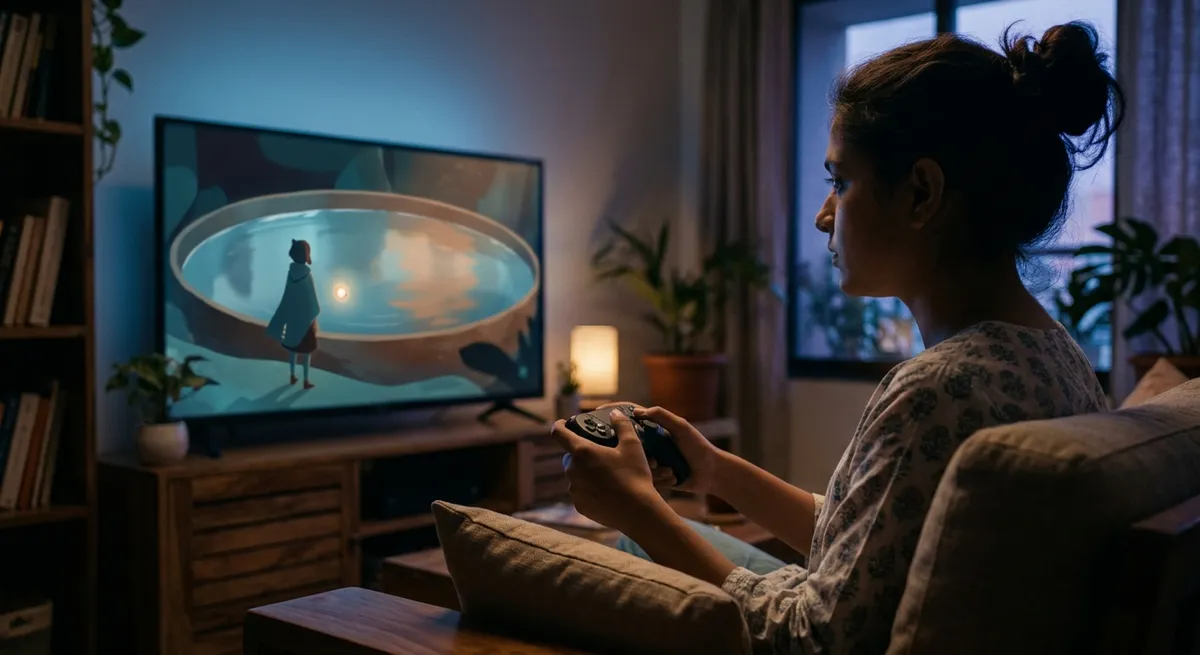
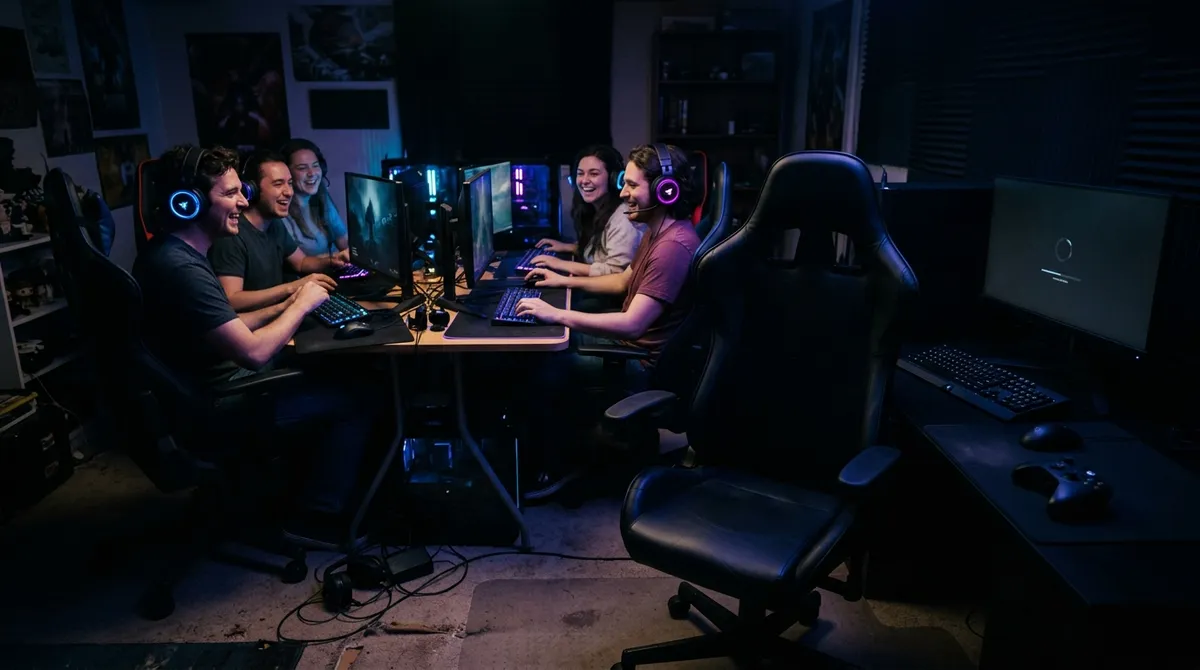
New research conducted by GamesRadar+ and YouGov has uncovered a troubling statistic: nearly half of women PC and console players in the US and UK feel that gaming communities do not welcome them or reflect their interests. This finding highlights a significant issue within the gaming industry, where inclusivity remains a pressing concern, particularly for women in gaming.
The Truth of Unwelcoming Spaces
What’s alarming is that this sense of exclusion is even more pronounced among women who actively engage in competitive shooter games. The isolation many female gamers experience reflects a wider issue of representation and acceptance in gaming spaces, where toxicity and harassment have been significant barriers.
A Cultural Shift Needed
As gaming continues to break into mainstream culture, the struggle for a more inclusive definition of what it means to be a gamer is more pressing than ever. These survey findings arrive at a time when discussions around voice chat harassment and toxicity in gaming communities are rampant, creating a backdrop where existing stereotypes and barriers hinder participation from women.
Understanding the Impact of Toxicity
Voice chat harassment presents one of the most glaring challenges for women in gaming. The very nature of competitive gaming, where real-time communication can become a double-edged sword, often leads to hostile environments. Reports continue to surface about women facing threats, derogatory comments, and even being ostracized based on their gender. This toxicity not only diminishes the gaming experience for those targeted, but it also fosters a culture of exclusion, where many simply opt-out from engaging at all.
Rejecting the Gamer Label
When discussing these survey results, it’s crucial to recognize that many women are beginning to reject the traditional 'gamer' label altogether. The stigma tied to this identity often forces women to grapple with their experiences and, in some cases, leads them to find solace in non-traditional gaming communities. This shift underscores the necessity for gaming platforms and developers to rethink how they define gaming identity and community.
Steps Toward Inclusivity
Creating a more welcoming gaming community starts with recognizing the specific areas where women feel uncomfortable or unwelcome. Here are some actionable strategies that can enhance inclusivity:
- Implement Better Moderation Tools: Effective reporting and moderation systems should be at the forefront of community management. Developers should prioritize tools that can reduce incidents of harassment, making it easier for women to enjoy gaming without fear.
- Feature Diverse Voices: Highlight different perspectives and experiences in gaming through marketing, game design, and community outreach. Representation can create a ripple effect, drawing in a more diverse player base.
- Foster Safe Spaces: Establish dedicated spaces and events, both online and offline, specifically for women and marginalized groups. This encourages new players to engage without the fear of harassment.
- Encourage Positive Engagement: Communities can promote campaigns that focus on kindness and respect. Encouraging members to celebrate achievements and positive interactions can shift the culture away from toxicity.
Conclusion
The findings from the new survey underline an urgent call for introspection within gaming communities. The need for inclusivity is not just a niche topic but rather an essential part of gaming's evolution as a widely embraced form of entertainment. By addressing these issues and fostering a more welcoming environment, the gaming community can work towards a future where everyone, regardless of their identity, can have a vibrant and safe gaming experience.