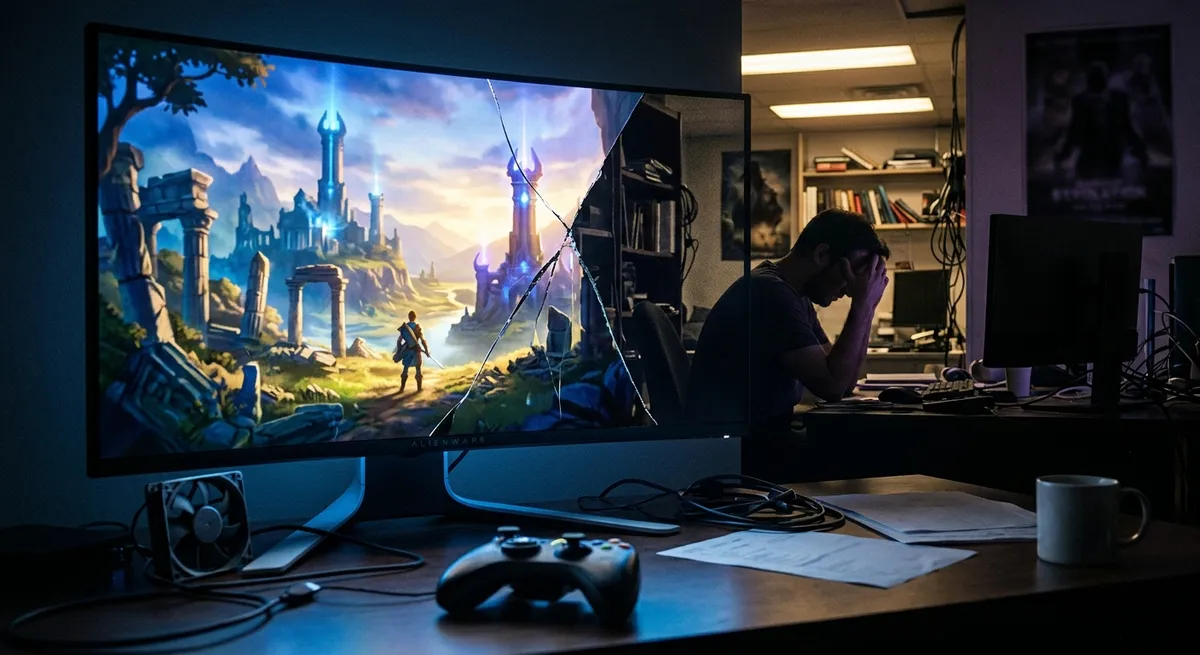

As free-to-play games continue to dominate the gaming landscape, researchers have revealed significant concerns about their business models, particularly how they exploit a small group of players who engage in excessive spending habits. This article delves into the troubling revenue strategies of popular games and the psychological tactics that can lead players into a cycle of compulsive purchases.
Understanding the Business Model of Free-to-Play Games
Free-to-play games allow players to download and start playing without any upfront costs. However, according to recent research shared by Scitechdaily, the real financial burden often lands on a minority of players who spend significantly more than the average gamer. This small group, dubbed "heavy spenders," often exhibits behaviors similar to those seen in gambling addiction, raising important questions about the ethical implications of these monetization practices.
The Revenue Engine: Heavy Spenders
The crux of the revenue generation for many free-to-play games lies within this small demographic of dedicated players. While the games may attract millions with their no-cost entry model, the bulk of revenue stems from repeated microtransactions. These purchases may include in-game currency, cosmetic items, or enhancements, making the game experience more enjoyable or competitive. However, the model is designed to encourage continuous spending through strategies such as:
- Battle Passes: Offering exclusive rewards for a set fee, requiring players to log in regularly to achieve maximum benefits.
- Rotating Stores: Limited-time offers that entice players to purchase items they may believe will be unavailable later.
- Time-Limited Events: Challenges or quests that reward players for participating within a narrow time frame, which can pressure them into spending to unlock content.
The Role of Psychological Tactics
One of the significant findings of the research is that these spending habits are not merely a result of individual choice; rather, they tap into deeper psychological tactics that mimic gambling mechanisms. Consider how many free-to-play titles employ these tactics:
- Confusing Pricing Structures: Different currencies and price points can obscure the true cost of in-game purchases, making it difficult for players to evaluate their spending.
- Artificial Scarcity: Creating urgency by suggesting that certain items or offers are limited in availability can drive impulsive purchases.
- Persistent Reminders and Prompts: Players often receive repeated notifications to engage with these systems, reinforcing the cycle of spending.
The Broader Impact on Players and Society
As millions of players, particularly younger demographics, engage with free-to-play titles, it’s essential to comprehend the possible repercussions. With regulators scrutinizing the gaming industry, especially around loot boxes, this research provides critical insight into broader issues that have yet to be addressed. Many monetization tactics may skirt around existing regulations while still leading to gambling-like behaviors in players.
What This Means for Parents
For parents, understanding these monetization strategies is crucial. An awareness guide could be beneficial, outlining signs that a child's gaming habits may be slipping into compulsive territory:
- Frequent requests for in-game purchases.
- A drastic change in behavior related to gaming time and spending.
- Expressions of disappointment or frustration if not able to make in-game purchases.
Encouraging open conversations about spending and gaming choices can help mitigate these risks. Parents can foster healthy gaming habits and promote responsible spending behaviors, ensuring their children enjoy games without falling into the trap of excessive spending.
Conclusion: Awareness is Key
The research highlights how free-to-play games generate revenue at the expense of a small portion of their player base. As gaming really takes a front seat in modern entertainment, understanding the intricacies of these monetization strategies becomes essential for both players and parents. Staying alert to the psychological designs that encourage spending can empower players to enjoy gaming without becoming ensnared in a cycle of excessive purchases, whether through simple awareness or proactive discussions within families.