
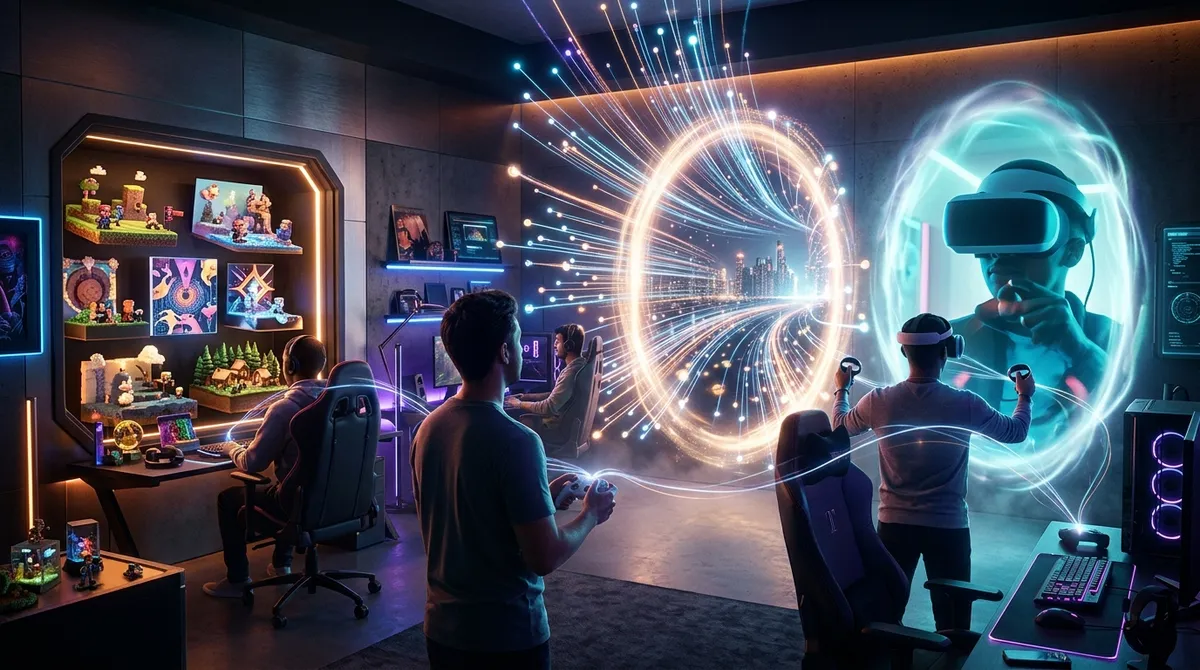
The world of video games has seen a transformative year, marked by groundbreaking innovations, emerging trends, and significant industry shifts. From the rise of new gaming platforms to the evolution of player engagement, the gaming landscape continues to evolve rapidly. As we delve into the year's highlights, it's apparent that the industry is not only expanding but also diversifying in ways that redefine entertainment.
Emerging Gaming Platforms and Technologies
This year has witnessed a surge in the popularity of cloud gaming and virtual reality. With advancements in internet infrastructure, cloud gaming platforms like Xbox Cloud Gaming and Google Stadia have gained traction. These services offer players the flexibility to stream games directly to their devices without the need for high-end hardware.
Virtual reality, too, has made strides with more immersive experiences. Devices like the Oculus Quest 2 have brought VR into the mainstream, offering a range of applications beyond gaming, including virtual social spaces and fitness.
Shifts in Player Engagement
Player engagement has reached new heights, driven by the increasing adoption of live-service games. Titles such as Fortnite and Apex Legends continue to captivate audiences with regular updates and seasonal events. This model not only keeps players returning but also creates a continuous revenue stream through in-game purchases.
Moreover, the integration of social elements in games has enhanced community building. Platforms such as Discord and Twitch have become integral to the gaming ecosystem, allowing players to connect, share experiences, and foster vibrant communities.
Indie Games on the Rise
Indie developers have made significant impacts this year, with a rise in unique and innovative game titles. Games like Hades and Among Us have demonstrated that creativity and compelling gameplay can achieve mainstream success without the backing of major publishers.
The accessibility of development tools and digital distribution platforms has empowered small studios to reach global audiences, challenging traditional industry dynamics and encouraging diversity in gaming content.
Challenges and Opportunities
Despite the positive trends, the industry faces challenges, including issues of diversity and inclusion. Calls for more representation in games and within game development teams are gaining momentum, urging companies to create more inclusive environments.
Additionally, the ongoing chip shortage has impacted console availability, affecting production and sales. However, this has also accelerated interest in digital-only gaming and alternative platforms.
Looking Ahead
As we look to the future, the gaming industry is poised for continued growth and transformation. Innovations in AI, augmented reality, and blockchain technology promise to further reshape the landscape. As developers and publishers embrace these technologies, players can expect even more immersive and interactive experiences.
The focus on sustainability and ethical gaming practices is also expected to grow, reflecting broader societal trends and the responsibility of the industry to contribute positively to the global community.
In conclusion, the year has been pivotal for video games, with significant advancements and emerging challenges. As the industry continues to evolve, it remains a dynamic and influential sector in the realm of entertainment.