
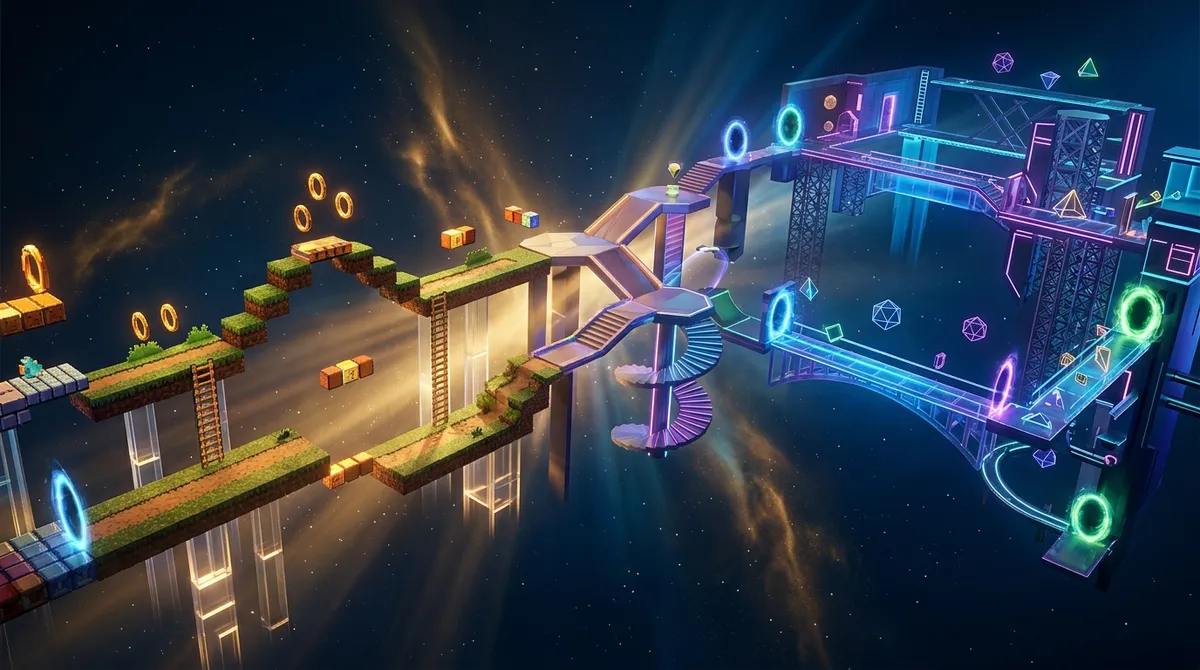
Level design in video games has evolved dramatically over the years, yet some titles have achieved a level of timelessness that keeps us returning, eager to relive the experience. This article highlights 10 games recognized for their exceptional level design, proving that a game doesn’t just need great mechanics but also an engaging structure at every stage to classify it as a masterpiece. Here’s a list of games where every level shines.
1. The Legend of Zelda (NES)
The original Legend of Zelda set the bar high for exploration and nonlinear gameplay. Every level serves a dual purpose: offering challenges while unraveling the rich narrative. This pioneering title blends secrets, puzzles, and combat, allowing players to approach challenges creatively.
2. Tony Hawk's Pro Skater 2 (PS1)
Tony Hawk's Pro Skater 2 isn’t just a skateboarding game; it’s a level-design triumph. Each map, from the iconic Warehouse to the grandiose Venice Beach, presents unique obstacles and hidden elements that encourage players to experiment with tricks. The game's design rewards exploration and innovation, making it an unforgettable experience.
3. Mega Man X (SNES)
Every level of Mega Man X boasts not only distinct aesthetics but also unique gameplay mechanics that dictate approach and strategy. The levels are tightly paced, featuring enemy patterns and environmental hazards that require precise execution. This balance of challenge and design is a hallmark that define its enduring popularity.
4. Super Mario Bros. 3 (NES)
Considered by many as one of the best in the series, Super Mario Bros. 3 excels in its level diversity. Its levels are meticulously crafted to introduce players to new mechanics while preserving that classic platforming charm. From airships to tropical islands, the creativity is endless, ensuring that no two levels feel the same.
5. Celeste (multiplatform)
A modern indie favorite, Celeste combines simplicity with depth. Each level is a perfect orchestration of platforming challenges that reflect the game's emotional journey. The design emphasizes player growth while keeping the frustration at bay, making each ascent rewarding and immersive.
6. Dark Souls (multiplatform)
While notorious for its difficulty, Dark Souls also excels in level design. The interconnected world, filled with hidden paths and shortcuts, invites exploration and rewards players keen on risk. Every level feels as if it was handcrafted to challenge players while enriching the experience with narrative elements.
7. Portal (PC)
Portal's genius lies in its puzzle-based levels that intricately weave gameplay mechanics into the storyline. Each section teaches players to think outside the box. The design allows levels to evolve as the game progresses, fostering a sense of accomplishment upon completion.
8. Hollow Knight (multiplatform)
A stunning example of modern design, Hollow Knight creates an interwoven world that both challenges and charms. Each level is filled with secrets and pathways that encourage exploration, while also giving hints to master the mechanics, creating an experience that feels both vast and intricate.
9. The Witness (multiplatform)
In The Witness, every level is essentially a new puzzle that shows how environmental art and level design can teach without explicit instruction. This game uses its world to guide players toward understanding its intricate rules, making mastery rewarding and discovery a constant thrill.
10. Super Meat Boy (multiplatform)
Super Meat Boy is another modern classic boasting tight controls and punishingly brilliant level design. Each challenge is a carefully placed obstacle course that encourages perfect execution. The design philosophy focuses on quick retries, nurturing player improvement while keeping frustration palpable yet manageable.
Why These Games Matter
The rising recognition for level design and its impact on gameplay reflects a growing interest in the intricacies of how games function. As indie titles flourish and challenge traditional game industries, analyzing these masterpieces offers vital insights into creating enduring experiences. Reflecting on what we’ve learned from these exemplary games helps us appreciate the artistry behind level progression, uncovering what makes each level not just playable, but memorable.
Whether you're revisiting them or experiencing them for the first time, these games stand the test of time, with flawless level design that keeps players coming back for more. Rediscovering these classics not only highlights their significance but also inspires future generations of gamers and creators alike to focus on creating engaging, carefully designed experiences.