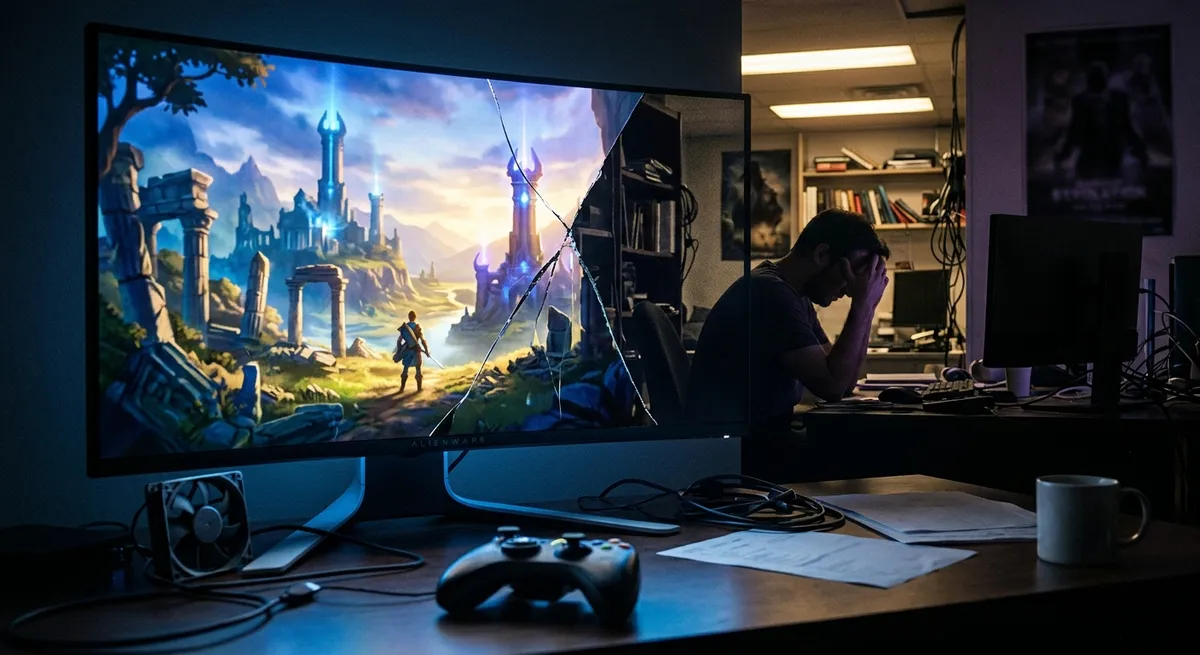

The video game industry is no stranger to controversies, with copyright issues often taking center stage. Recently, a notable case has emerged involving the unauthorized use of gold pieces in a popular game. This situation has sparked significant discussion among developers and legal experts, highlighting the intricate balance between creativity and legal boundaries in game design.
The Importance of Intellectual Property in Gaming
Intellectual property (IP) rights are crucial in the gaming industry. They protect the creativity and innovation that developers pour into their projects. Infringements not only harm the original creators but can also disrupt the market. This recent incident underscores the importance of protecting original ideas and ensuring that game elements are not unlawfully replicated.
Understanding the Dispute
The controversy centers around a game that allegedly incorporated gold pieces identical to those from another developer's game. This has raised questions about the boundaries of artistic inspiration versus outright copying. The original creator claims that these elements were used without permission, leading to a potential legal showdown.
Legal Ramifications
In the world of gaming, copyright laws are designed to protect unique expressions of ideas, not the ideas themselves. This distinction often creates a gray area, making such disputes complex. Developers must navigate these waters carefully to avoid potential lawsuits, which can be costly and damaging to reputations.
Community Reactions
The gaming community is divided over this issue. Some players believe that borrowing elements is a natural part of game development, fostering innovation and evolution. Others argue that strict enforcement of IP rights is necessary to maintain fairness and encourage original content creation. This dichotomy reflects broader debates within the industry about how to balance creativity with legal compliance.
The Role of Game Developers
Developers play a critical role in maintaining the integrity of their creations. They must be vigilant in protecting their IP and ensure that their works do not infringe on others'. This involves a deep understanding of copyright laws and often, collaboration with legal experts to safeguard their innovations.
Looking Forward
As the gaming industry continues to grow, the importance of clear legal frameworks becomes more pronounced. Developers, players, and legal experts alike are calling for more definitive guidelines to help navigate these challenges. Such measures could help mitigate disputes and foster a more collaborative and fair environment for game creation.
Ultimately, this case serves as a reminder of the delicate balance required in the gaming industry. Protecting intellectual property is essential, but so is fostering a culture of creativity and innovation. By respecting legal boundaries while encouraging imaginative gameplay, developers can ensure a vibrant future for the industry.