A Different Kind of RPG Remake
An unusual indie PC game is taking aim at remake culture through one of gaming's most beloved RPGs. According to reports, The Remake of the End of the Greatest RPG of All Time presents itself as a Chrono Trigger remake, but delivers something far stranger—a meta-commentary on what "remaking" classic games actually means.
Rather than offering a traditional remake experience, the game combines RPG elements with puzzle mechanics and deliberate glitches to create what appears to be a mystery wrapped in nostalgia. The title alone suggests this isn't your typical homage to Square's 1995 classic.
When Bugs Become Features
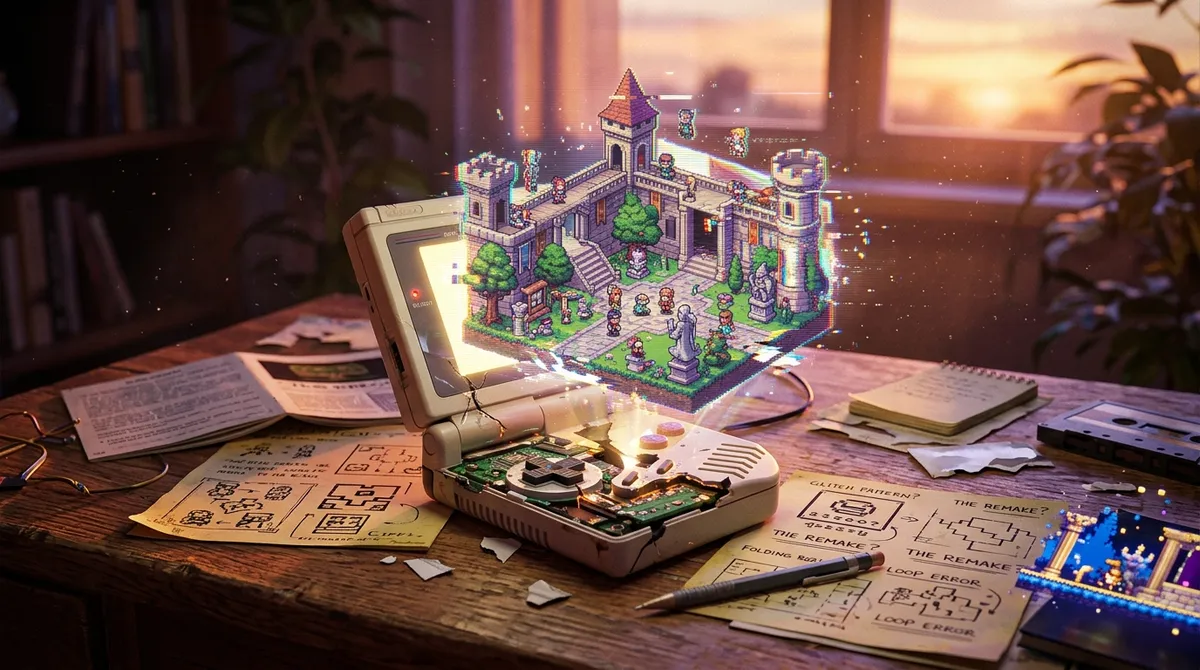
The game reportedly uses an unconventional approach to storytelling, incorporating manuals, apparent glitches, fake developer documents, and hidden clues as core gameplay elements. This creates a "game-within-a-game" mystery that questions the very nature of remaking beloved classics.
According to reports, players encounter what might be intentional bugs alongside genuine RPG mechanics, blurring the line between broken code and purposeful design. This approach reflects a growing trend in indie gaming where technical "flaws" become narrative devices.
Timing and Cultural Context
The game's arrival comes at a particularly relevant moment for the gaming industry. With classic RPG nostalgia continuing to drive remakes, ports, and passionate fan debates across social media, The Remake of the End of the Greatest RPG of All Time serves as what reports describe as "a timely critique of how players, developers, and internet culture treat beloved games."
Chrono Trigger remains a touchstone for RPG design discussions, frequently cited in debates about what makes the "perfect" role-playing game. The indie title appears to interrogate this reverence, using the classic as a lens to examine modern gaming culture's relationship with its past.
The Anti-Remake Approach
What makes this project particularly intriguing is its positioning as an "anti-remake remake." Instead of attempting to improve upon or modernize Chrono Trigger, the game reportedly transforms the nostalgia surrounding it into an interactive examination of fandom and authorship.
This approach taps into current indie gaming trends that favor puzzle-box experiences over traditional genres. Games that challenge players to decode hidden meanings and uncover buried secrets have found dedicated audiences, particularly among PC gaming communities.
Commentary on Gaming Culture
The project functions as what reports call "playable criticism of fandom culture," addressing the emotionally charged nature of classic game remakes. When beloved titles receive modern updates, they often face intense scrutiny from fans who view any changes as potential betrayals of their memories.
By presenting itself as a remake while delivering something entirely different, the game forces players to confront their expectations about how classics should be treated. The fake developer documentation and hidden clues reportedly serve as commentary on the detective work fans often perform when analyzing their favorite games.
Technical Innovation Through Deception
The integration of manual reading, glitch hunting, and mystery solving represents an innovative approach to game design. Rather than hiding these elements as Easter eggs, the game apparently makes them central to the experience, challenging traditional notions of what constitutes "proper" gameplay.
This design philosophy aligns with broader trends in indie gaming, where developers increasingly experiment with unconventional mechanics and narrative structures. The use of apparent technical problems as storytelling devices reflects a sophisticated understanding of how players interact with broken or mysterious systems.
Looking Forward
As the gaming industry continues grappling with how to handle its classic catalog, projects like The Remake of the End of the Greatest RPG of All Time offer alternative perspectives on preservation and reverence. Rather than attempting to recreate past glories, the game reportedly uses them as raw material for entirely new experiences.
For RPG enthusiasts and indie game fans, this title represents an opportunity to engage with Chrono Trigger's legacy in unexpected ways, while potentially discovering new approaches to game narrative and player agency in the process.