A Strange Take on Classic RPG Nostalgia
An upcoming indie PC game is taking an unconventional approach to the endless debate about remaking classic RPGs. The Remake of the End of the Greatest RPG of All Time presents itself as something far stranger than a typical homage to beloved titles like Chrono Trigger.
According to reports, this indie project combines elements of RPG, puzzle game, and meta-commentary to create what developers describe as an exploration of what "remaking" actually means in gaming culture. Rather than attempting to recreate a classic experience, the game appears to deconstruct the very concept of remakes through an unusual mix of gameplay elements.
Beyond Traditional Game Boundaries
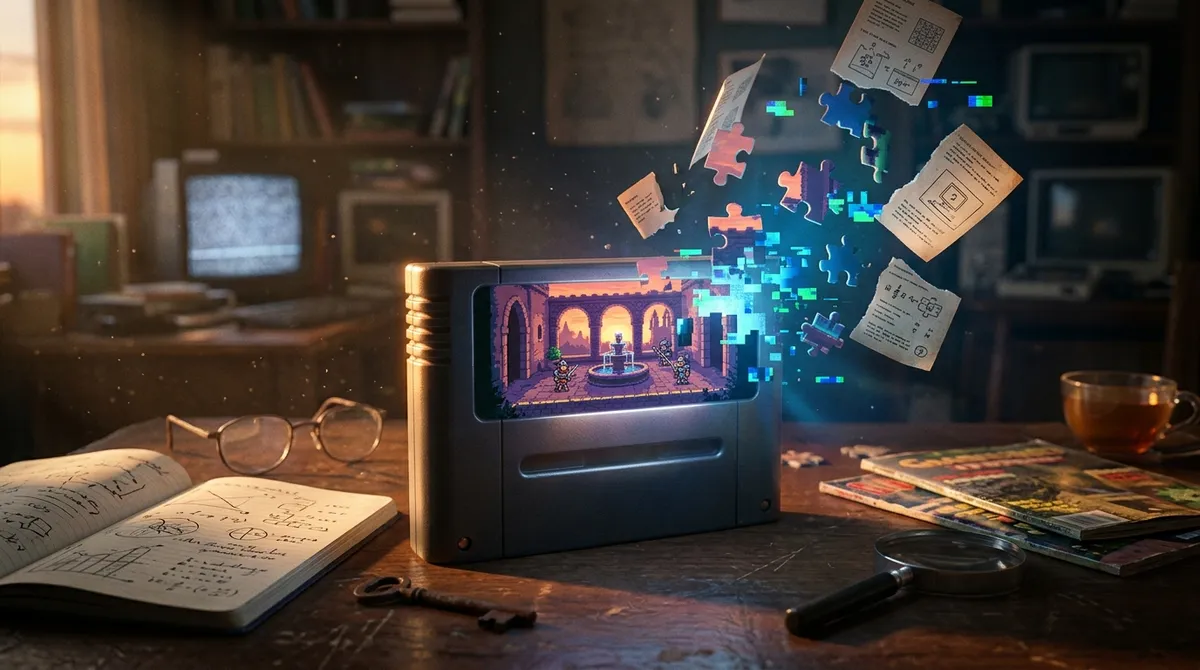
The game reportedly incorporates multiple layers of content including manuals, glitches, fake development documents, and hidden clues that players must piece together. This approach transforms the experience into what sources describe as a "game-within-a-game mystery" that challenges conventional expectations of how RPGs should function.
According to available information, intentional glitches become part of the storytelling mechanism, blurring the line between bugs and deliberate design choices. This technique taps into current trends in indie gaming where puzzle-box experiences challenge players to question what they're actually playing.
Timely Commentary on Gaming Culture
The release comes at a time when classic RPG nostalgia continues to drive remakes, ports, and passionate fan debates across gaming communities. Reports suggest the game functions as a critique of how players, developers, and internet culture approach beloved gaming classics.
This indie title appears to question the emotional weight that remake culture carries in modern gaming. Rather than simply capitalizing on Chrono Trigger nostalgia, the project reportedly uses that recognition as a foundation for examining broader questions about fandom, authorship, and the treatment of classic games.
The Anti-Remake Approach
What makes this project particularly noteworthy is its positioning as what could be called an "anti-remake remake." According to reports, it transforms Chrono Trigger nostalgia into a mystery that explores why remaking classics proves so emotionally loaded for both developers and players.
The game reportedly functions as playable criticism of fandom culture itself, using the framework of an RPG to examine how gaming communities interact with beloved titles. This approach reflects a growing trend of indie developers using their projects to comment on broader gaming industry practices and player expectations.
Puzzle-Box Gaming Evolution
The project aligns with the current indie trend of puzzle-box games that deliberately confuse players about what constitutes intentional design versus accidental elements. By incorporating fake development documentation and hidden clues, the game reportedly creates multiple layers of engagement that extend beyond traditional gameplay mechanics.
This design philosophy suggests that modern indie developers are increasingly interested in creating experiences that function simultaneously as games and cultural commentary. The approach allows players to engage with familiar RPG elements while questioning their assumptions about how such games should work.
Impact on RPG Design Conversations
According to reports, Chrono Trigger continues to influence modern RPG design discussions, making it a particularly relevant touchstone for this type of meta-commentary. The indie project appears to leverage this ongoing influence to examine why certain games maintain such powerful holds on gaming culture decades after their release.
The game's approach to addressing remake culture through gameplay rather than traditional criticism offers a unique perspective on ongoing industry debates. By creating an interactive experience around these themes, the developers reportedly provide players with a hands-on exploration of complex questions about gaming heritage and modern development practices.
This indie RPG represents a fascinating experiment in using familiar gaming nostalgia as a vehicle for deeper cultural examination, potentially offering insights into how the gaming community processes its relationship with beloved classics.