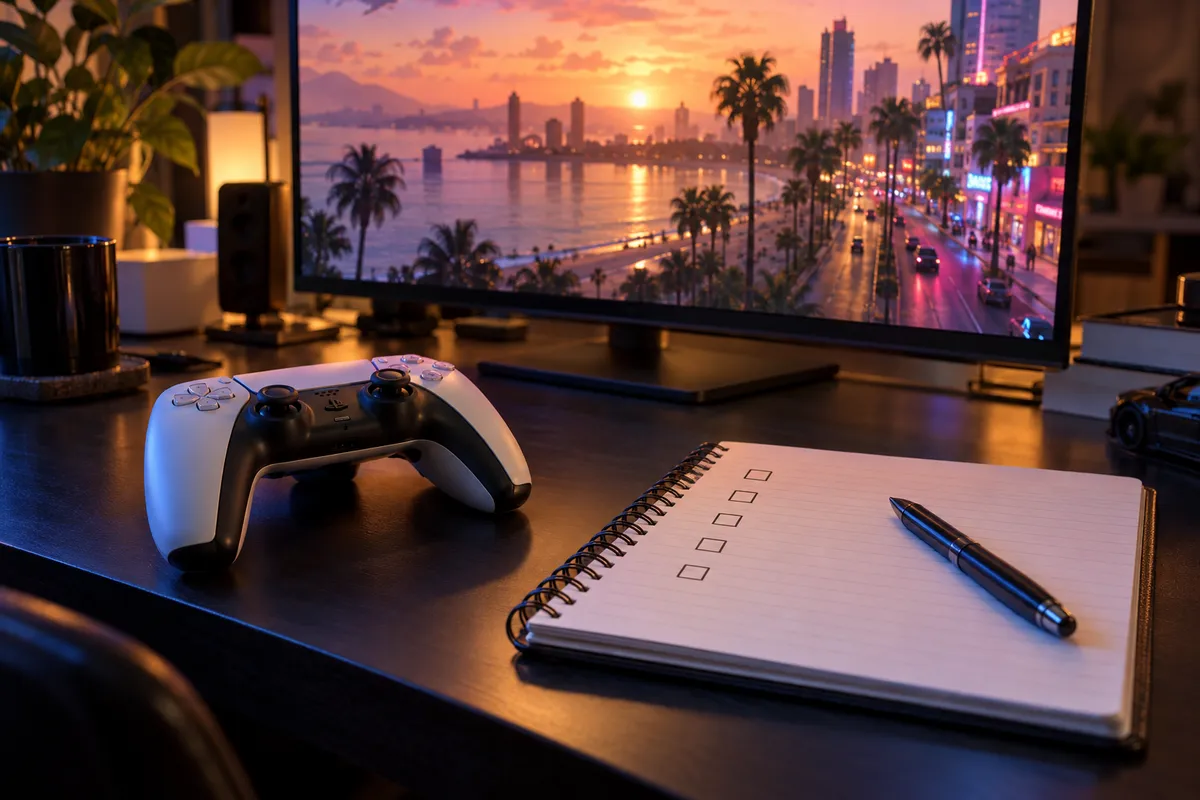
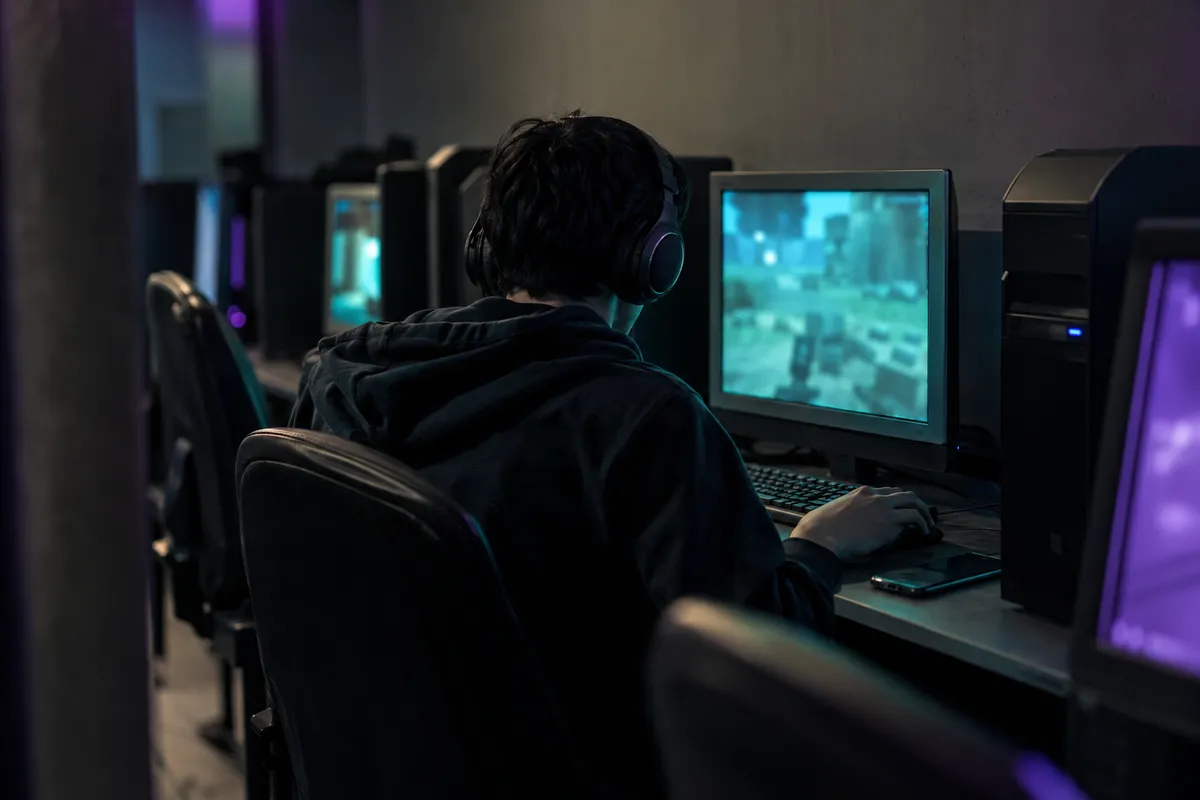
If you picture North Korea as a place cut off from gaming culture entirely, a recent installment of NK News' "Ask a North Korean" series complicates that picture. The question this time: do North Koreans play video games like "Grand Theft Auto"? By the end of this piece you'll know what the outlet's defector interview covers, and why the answer says more about entertainment than about propaganda.
The Source: NK News' "Ask a North Korean" Series
NK News runs "Ask a North Korean" as a series of interviews with, and columns by, North Korean defectors, most of whom left the DPRK within the last few years. Readers can submit questions by emailing ask@nknews.org with their first name and city of residence. The latest question asks whether North Koreans play games like "Grand Theft Auto."
One caveat up front: this is one defector's account, relayed through NK News. It's a window into personal experience, not a survey of the whole country. I'm working from the outlet's summary of that account, so I won't attempt to recreate specifics it doesn't give me.
How Gaming Evolved: From Consoles to Smartphones
Per NK News, the defector describes how video gaming in the DPRK changed over time, moving from consoles to smartphones. That arc will feel familiar to anyone who follows the global industry, where phones have become the default gaming device for huge numbers of people.
What's notable is that the same shift happens under heavy state controls. Smartphones, gaming centers and foreign media all keep complicating the government's efforts to control information, which is a big reason interest in everyday North Korean life stays high.
GTA as an Unexpected Window Outward
The defector also describes exposure to foreign games, with "Grand Theft Auto" named in the question and the discussion. It's an interesting case study. GTA is an open-world action-adventure series built around a stylized version of Western life, so even a casual player picks up a sense of how another society looks, sounds and behaves.
I'd stress that's my read, not a claim from the interview. But it's easy to see why a game can carry more cultural information than a news broadcast ever could: players absorb it while having fun, without being lectured.
Entertainment Often Beat Propaganda
The takeaway NK News highlights is that, for players, entertainment often mattered more than propaganda, despite government controls. That's the angle worth holding onto.
Gaming is a useful lens for this because the motivation is so ordinary. People want something fun to do with their free time. Whether the game is a console title or something on a phone, the draw is the gameplay, not the politics. When the state's preferred content competes with that, entertainment has a built-in advantage.
Why This Story Resonates With Gamers
- It reframes a stereotype. North Korea is often imagined as digitally isolated, yet the defector's account points to an informal gaming culture and access to foreign entertainment.
- It shows how platforms shift. The move from consoles to smartphones mirrors a trend gamers everywhere recognize.
- It shows soft power at work. Popular games and media can reach restricted societies despite official barriers, a theme the outlet frames around information control.
What to Do Next
If you're curious, read the full interview at NK News and, if you have your own question for a defector, send it to ask@nknews.org with your first name and city. The best way to understand a restricted society is to listen to people who lived there, and then ask them about something as human as what they played after school.