A staged feud between Dongbei livestreamers in 2016 has now become a Steam hit. Sixth Tone reports that the meme universe known as "Once Upon a Time in Dongbei" found a second life as A Summer in Northeast China, a gal game built by a video content creator who reimagined its characters and jokes for a new generation of players.
If you follow indie games, the story is a useful case study. It shows how a regional joke can grow into a polished game without losing the thing that made it funny.
From Kuaishou Feud to Meme Universe
Per Sixth Tone, the starting point was a staged 2016 feud between Dongbei livestreamers on Kuaishou. Dongbei is the Chinese name for the country's northeast. The feud was theater, but it caught on as an online sensation, and its characters and gags grew into a shared meme universe: "Once Upon a Time in Dongbei."
That shared quality matters. A meme universe has recurring characters, running jokes, and a fan base that already knows the lore. For a game developer, that is a ready-made cast and tone, along with an audience that is already invested.
The Game: A Summer in Northeast China
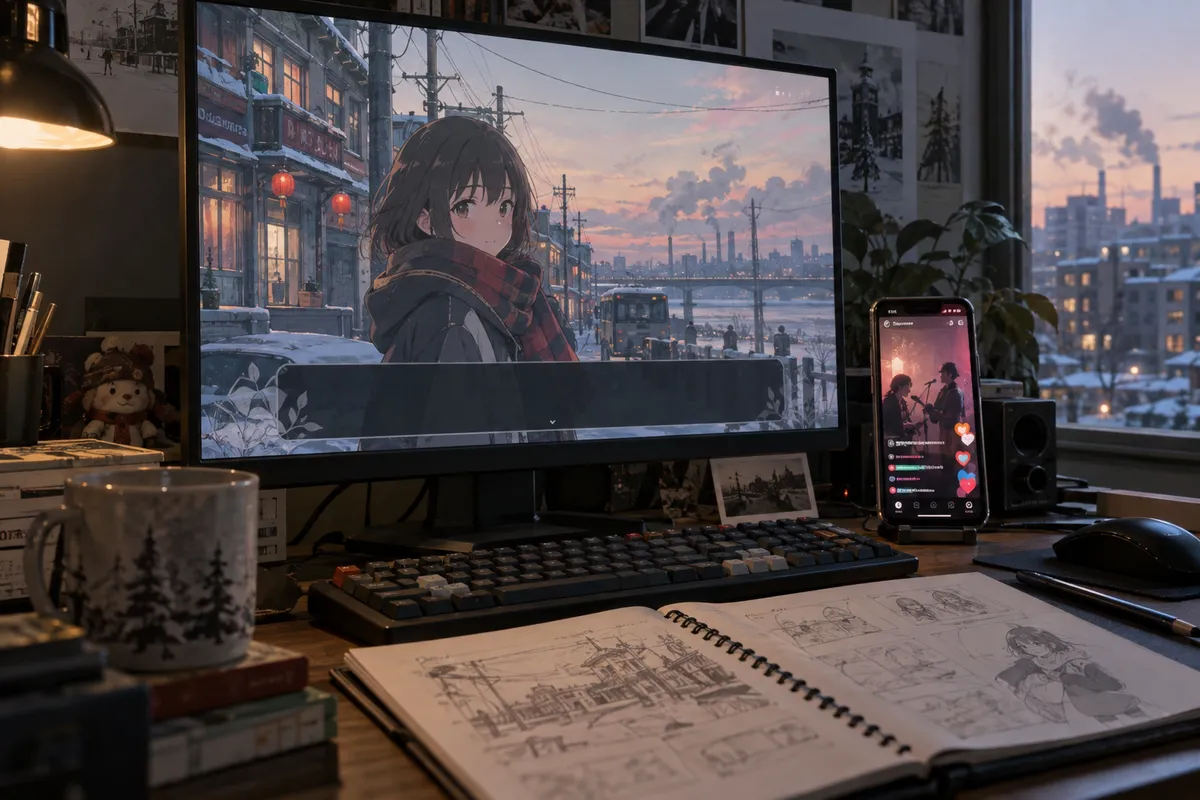
The adaptation is A Summer in Northeast China, which Sixth Tone describes as a hit Steam gal game. Gal games are a visual-novel-style genre, usually built around characters and storylines, so a cast of memorable personalities is the right raw material.
According to the report, the creator behind it is a video content creator who reworked the original characters and jokes for newer players. The article argues the game succeeded because it translated regional humor, dialect, and participatory fan culture into a polished indie format without cutting its local roots.
Why Keeping the Dialect and Humor Matters
The central lesson from Sixth Tone's account is that the game did not sand down its origins to reach a wider market. Regional humor and dialect are part of what makes the meme feel authentic, and the game keeps them.
That is our reading of the broader pattern, not a claim from the report: when a project borrows from a community's inside jokes, fans tend to notice quickly whether the borrowing is respectful. Keeping the voice intact is the safest way to avoid alienating the people who made the meme big in the first place.
Fans as Part of the Worldbuilding
The report highlights participatory fan culture as one of the things the game carries over. The original meme universe was not handed down from a studio. It grew through people repeating, remixing, and adding to it.
For indie developers, that suggests a model where the community works as both marketing and worldbuilding. By the time a game like this arrives, a lot of the lore has already been written by the audience.
The "Dongbei Renaissance" Context
Sixth Tone places the game inside what it calls the "Dongbei Renaissance," where China's Rust Belt identity is being remixed through comedy, games, livestreaming, and anime-inspired aesthetics. A region once defined by heavy industry is now being reimagined through internet culture, and a gal game with anime-style visuals is a natural fit for that blend.
The piece also ties the story to growing visibility for Chinese regional culture, nostalgia, and indie games, and to the idea that memes can become serious creative IP across platforms.
What Indie Developers and Players Can Take Away
If you make games: Look at the communities already producing shared jokes and characters. The Dongbei example suggests a strong starting point is material people already love, handled by someone who understands it.
If you play them: Browse Steam's gal and visual novel categories with regional and community-born projects in mind. Games rooted in a specific place often have a voice that bigger productions struggle to fake.
If you're curious about the original: Search for the "Once Upon a Time in Dongbei" meme universe to see where the characters came from. Knowing the background should make the game's jokes land harder.
The Takeaway
A livestream stunt that was never meant to last became a game because a creator treated the meme's local voice as the feature, not a problem to fix. Next time you see a niche community joke you can't stop quoting, ask who might be building the game around it.