The Rising Cost of Gaming Entertainment
Gamers are facing a perfect storm of price increases across every aspect of their hobby, according to recent reports. From console hardware to individual games, subscriptions, and accessories, the gaming industry is experiencing widespread cost inflation that's putting pressure on what was once considered the "best value in entertainment."
Multiple Factors Drive Price Increases
According to industry analysis, several converging factors are responsible for the current price surge. Rising development costs are pushing game prices higher, while tariffs and hardware inflation are affecting console and PC component pricing. The semiconductor industry's competitive landscape is also contributing to increased costs for gaming hardware.
Ecosystem monetization strategies are adding another layer of expense, as gaming companies look to maximize revenue through various channels beyond traditional game sales.
Major Platform Price Hikes Hit Gamers
Reports indicate that major gaming platforms including PlayStation, Xbox, and Nintendo have all implemented significant price increases. These hikes are particularly notable as they coincide with gamers preparing for major 2026 releases, including the highly anticipated next Grand Theft Auto title.
The timing of these price increases suggests that gaming companies are positioning themselves to capitalize on expected high demand for upcoming blockbuster releases.
The $80 Game Price Point on the Horizon
According to industry observers, $80 games may become the new standard price point. This represents a significant jump from current pricing and reflects the increasing costs of game development and the industry's need to maintain profit margins in an inflationary environment.
Subscription Models Change Gaming Value Proposition
The rise of gaming subscriptions has fundamentally altered how gamers access and pay for content. While these services offer access to large libraries of games, they represent an ongoing monthly expense that adds to the total cost of gaming ownership.
This shift from one-time purchases to recurring subscription fees is changing how gamers calculate the value of their entertainment spending.
Console vs PC Gaming Costs in 2026
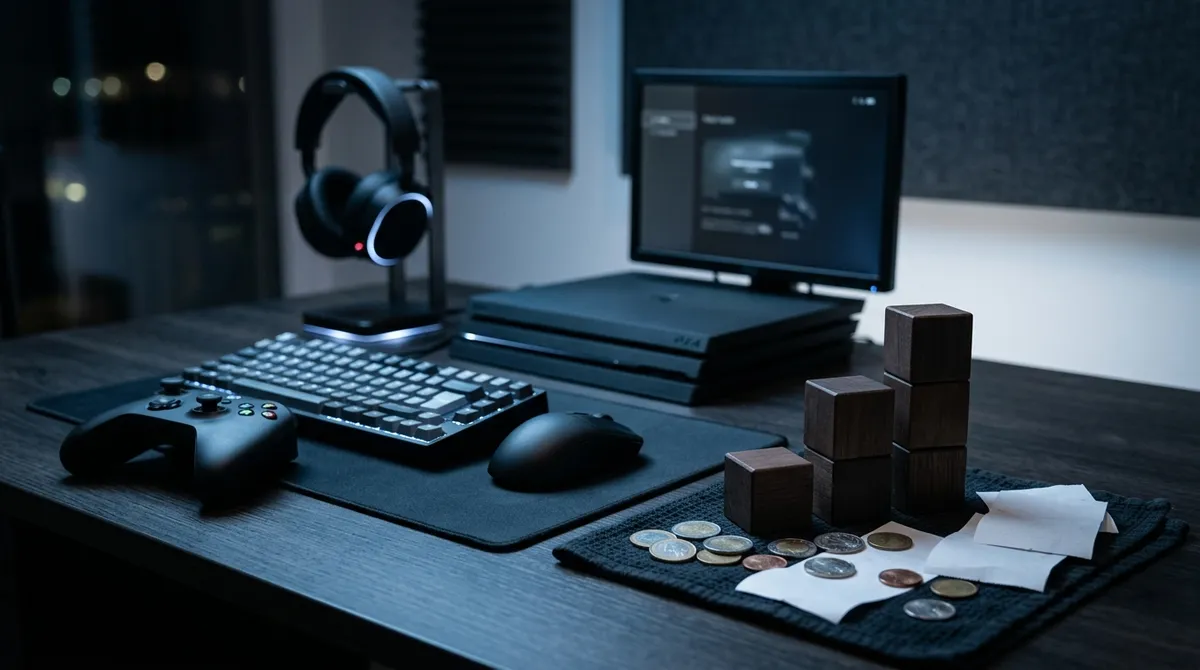
The current price environment is forcing gamers to reconsider the traditional cost comparison between console and PC gaming. With both platforms experiencing price increases across hardware, games, and services, the decision between console and PC gaming now involves more complex cost calculations than in previous years.
Memory and storage costs are also contributing to the overall expense, as modern games require increasingly large amounts of storage space.
Impact on Gaming's Value Reputation
The widespread price increases are putting pressure on gaming's long-held reputation as an excellent value in entertainment. According to reports, this shift signals a fundamental change in how the industry approaches pricing and monetization.
For budget-conscious gamers, the current environment requires more strategic thinking about where to allocate their gaming dollars and which platforms, subscriptions, or games provide the best value for their individual needs.
Looking Ahead
Analysts suggest there isn't a simple fix for the current price inflation affecting gaming. The combination of rising development costs, hardware inflation, and industry monetization strategies appears to be creating a sustained period of higher prices across all gaming categories.
As the industry prepares for major 2026 releases, gamers will need to adapt to this new cost environment and make more selective decisions about their gaming investments. The era of gaming as universally affordable entertainment may be shifting toward a more premium pricing model across the board.