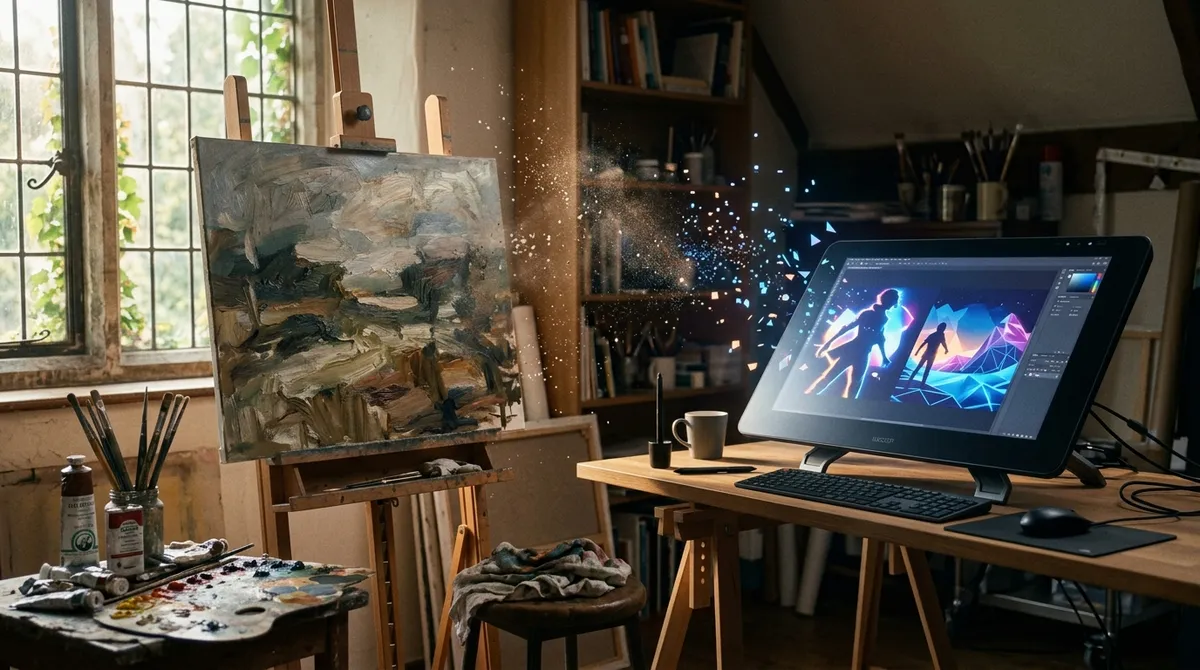
Transitioning from traditional art to the digital realm can be a transformative journey, especially in the dynamic world of video game design. One artist made this leap with great success, going from working with physical paints to creating stunning visuals for popular video games. This journey not only highlights personal growth but also sheds light on the evolving landscape of art in the digital era.
From Traditional Roots to Digital Mastery
The artist began their career deeply immersed in traditional painting techniques. Initially, their work centered around using brushes and canvases, which provided a solid foundation in color theory and composition. These skills proved invaluable as they ventured into the digital space, where new tools and mediums awaited.
Driven by a passion for innovation, the artist sought to expand their horizons. This led them to explore digital platforms, where they could experiment with new styles and techniques. This transition was not without challenges, as it required a shift in mindset from the tactile nature of physical art to the limitless possibilities of digital creation.
Embracing the Digital Tools
Adopting digital tools meant learning a whole new set of skills. Software like Adobe Photoshop and 3D modeling programs became essential in the artist's toolkit. These applications allowed for greater experimentation and refinement of techniques, leading to the creation of more complex and intricate designs.
The artist also embraced the flexibility that digital art offers. Unlike traditional painting, where mistakes can be costly and time-consuming to correct, digital art allows for easy adjustments and revisions. This capability enabled the artist to push boundaries and explore creative visions without the fear of irreversible errors.
Impact on Video Game Design
As the artist honed their digital skills, opportunities in video game design began to emerge. Their unique perspective, rooted in traditional art, brought a fresh approach to game visuals. This blend of classic art principles with cutting-edge technology resulted in vibrant and immersive environments that captivated gamers worldwide.
Working on popular titles, the artist contributed to creating visually stunning worlds that enhance the gaming experience. Their work emphasizes the importance of storytelling through art, where every visual element contributes to the overall narrative and player engagement.
Challenges and Triumphs
The journey from traditional to digital art is not without its hurdles. The artist faced a steep learning curve, adapting to new technologies and methodologies. However, perseverance and a willingness to learn proved to be crucial factors in overcoming these obstacles.
One of the significant challenges was maintaining the authenticity and emotional depth of traditional art in a digital format. The artist managed to achieve this by continually drawing inspiration from their roots, ensuring that each digital piece retained the soul and expression inherent in their earlier works.
Looking Ahead
The future holds endless possibilities for artists who are willing to embrace digital transformation. For this artist, the journey is far from over. They continue to innovate and push the boundaries of what is possible in digital art, exploring new technologies such as virtual reality and augmented reality to enhance their creations.
As technology evolves, so too does the potential for new forms of artistic expression. Artists like this individual are at the forefront of this evolution, paving the way for future generations to explore and redefine what art can be in the digital age.
The transition from traditional painting to digital art in video games reflects broader trends in the art world. It highlights the importance of adaptability and lifelong learning in an ever-changing landscape. For artists, the key to success lies in embracing change and viewing it as an opportunity for growth and creative exploration.