
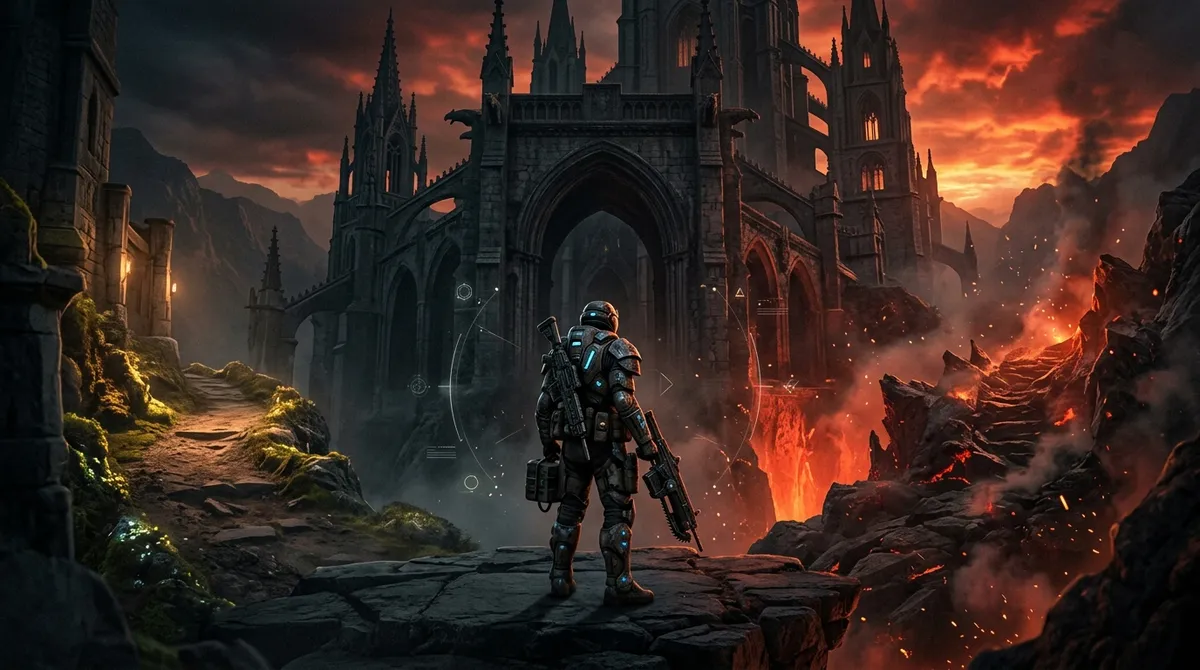
The iconic first-person shooter Doom has seen some changes that have sparked debate among its fans. The removal of a familiar difficulty setting has caught the attention of gamers worldwide.
For decades, this shooter has been a staple in the gaming world, drawing players with its fast-paced action and immersive environments. However, the recent removal of the 'I'm Too Young to Die' difficulty from the latest iteration, The Dark Ages, has stirred controversy. Fans have expressed their disappointment, highlighting the importance of this mode to both new players and veterans who prefer a more relaxed experience.
The Legacy of a Classic Difficulty
The 'I'm Too Young to Die' difficulty level has been a part of the Doom experience since its inception. It offers an entry point for newcomers, allowing them to enjoy the storyline and gameplay without facing overwhelming challenges. This mode serves as a gentle introduction to the mechanics and lore of the game, making it accessible to a wider audience. Its removal has left some players feeling alienated, particularly those who appreciated the option to enjoy the game at a leisurely pace.
For veteran players, this difficulty mode also provided a way to explore the game without the pressure of intense combat scenarios. It was a chance to appreciate the intricate design and narrative elements often overshadowed by the need for quick reflexes and strategic thinking. The absence of this mode in The Dark Ages has sparked a conversation about the balance between accessibility and challenge in modern gaming.
Community Reactions and Feedback
The gaming community has not been silent in their response. Forums and social media platforms are filled with discussions about the implications of this change. Many fans have expressed their dissatisfaction, arguing that the removal limits the game's accessibility. Others have pointed out that the decision could alienate a portion of the player base who enjoyed the option of a less demanding gaming experience.
Developers often face the challenge of balancing nostalgia with innovation. While some argue that removing easier modes pushes players to improve their skills, others believe that maintaining a range of difficulty settings is crucial for inclusivity. The debate highlights differing opinions on what constitutes an ideal gaming experience.
The Role of Difficulty in Gaming
Difficulty settings play a significant role in shaping a game's appeal and replayability. They allow players to tailor their experience to match their skill level and personal preferences. A well-designed difficulty curve can enhance player satisfaction, offering a sense of accomplishment as they overcome progressively tougher challenges.
In the context of The Dark Ages, the removal of 'I'm Too Young to Die' raises questions about the future direction of game development. It prompts discussions about whether developers should prioritize challenging gameplay or ensure that their titles remain accessible to a diverse audience.
Looking Ahead
As the industry evolves, developers are continually exploring ways to enhance player engagement. While innovation is essential, maintaining elements that have contributed to a franchise's success is equally important. The feedback from the community serves as a vital tool for developers, guiding future updates and expansions.
For now, fans of the iconic shooter will have to adapt to the changes in The Dark Ages. Whether this decision will impact the game's popularity or lead to further alterations remains to be seen. The dialogue between developers and the gaming community is crucial in shaping the future of the franchise.
The removal of the 'I'm Too Young to Die' difficulty mode from The Dark Ages has ignited a significant debate within the gaming community. As players and developers navigate this evolving landscape, the importance of balancing accessibility with challenge becomes increasingly apparent. The ongoing conversation highlights the dynamic nature of the gaming industry and the passionate community that supports it.