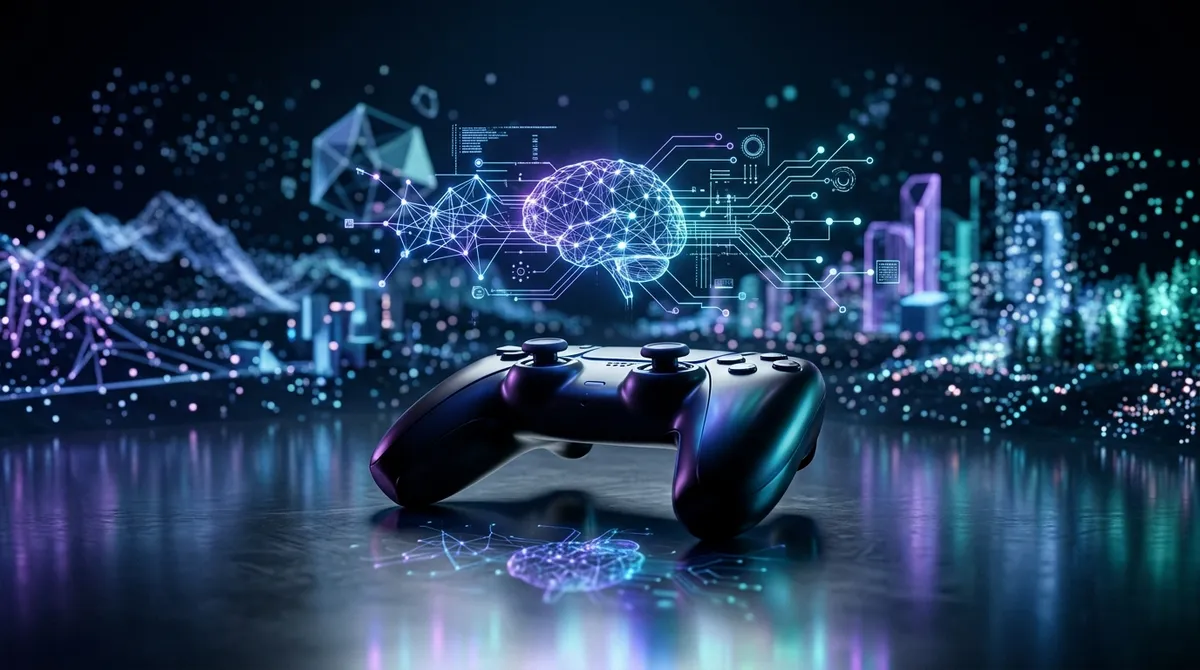
The video game industry is on the brink of a revolutionary transformation, driven by the integration of artificial intelligence (AI) technology. As AI becomes increasingly sophisticated, it is set to play a pivotal role in shaping the future of gaming experiences, with the market projected to reach an impressive USD 11.4 billion by 2032. This growth is anticipated at a remarkable compound annual growth rate (CAGR) of 26.8% over the forecast period.
The Role of AI in Enhancing Gaming
AI technology is reshaping the gaming landscape by enhancing various facets of game development and player engagement. AI enables developers to create more realistic and dynamic environments, providing players with a richer and more immersive experience. This technology is not only improving graphics but also making it possible for non-player characters (NPCs) to exhibit more human-like behavior, increasing the overall realism of games.
Key Factors Driving AI Adoption in Games
Several factors are contributing to the rapid adoption of AI in video games. First, the growing demand for personalized gaming experiences is pushing developers to use AI to tailor gameplay to individual preferences. AI algorithms analyze player behavior and adapt game scenarios in real-time, ensuring a unique experience for each player.
Additionally, the advancement of machine learning and deep learning technologies is empowering developers to create more complex game mechanics. These technologies allow for the development of smarter AI opponents that can learn and adapt, providing more challenging and engaging gameplay.
Global Market Trends
The AI in video games market is witnessing significant growth across various regions. North America currently holds a major share of the market due to its advanced technological infrastructure and the presence of major gaming companies. Meanwhile, the Asia-Pacific region is expected to show substantial growth, driven by the increasing popularity of gaming in countries like China and India.
Moreover, the rapid expansion of the eSports industry is also fueling the demand for AI-driven gaming solutions. AI is being used to analyze player performance and provide insights that can improve strategies, making it a valuable tool for competitive gaming.
Challenges and Opportunities
Despite the promising prospects, the integration of AI in video games presents several challenges. The complexity of AI implementation can be a barrier for smaller developers with limited resources. Additionally, there are concerns about data privacy and security, as AI systems often require access to vast amounts of player data to function effectively.
However, these challenges also present opportunities for innovation. Companies that can provide secure and efficient AI solutions will be well-positioned to capitalize on the growing demand. Furthermore, the development of AI tools that simplify the integration process can empower more developers to harness this technology.
The Future of Gaming
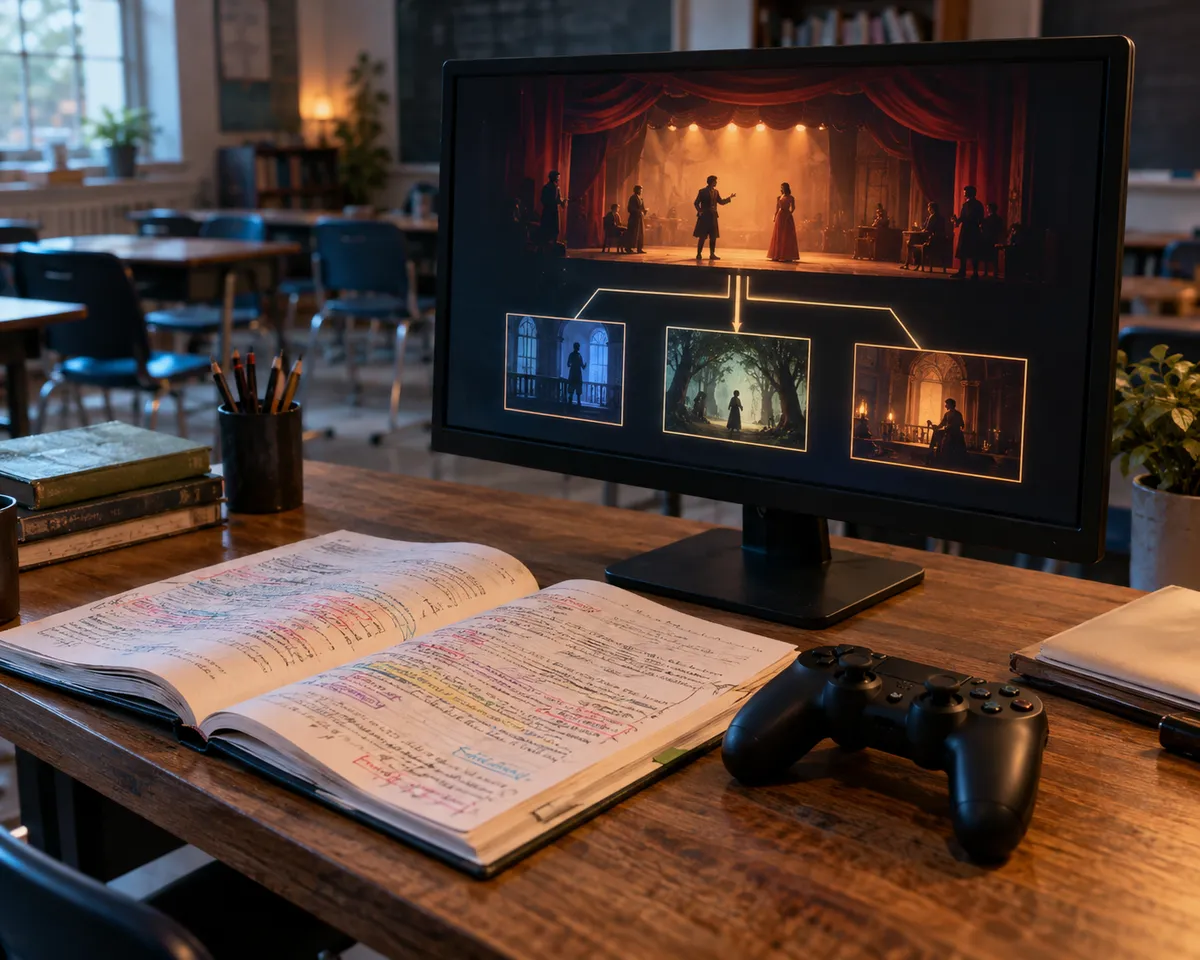
Looking ahead, AI is set to redefine the boundaries of what is possible in video games. As AI continues to evolve, we can expect even more interactive and personalized gaming experiences. The use of AI in procedural content generation, for instance, will allow for the creation of expansive game worlds that evolve based on player actions, offering endless possibilities for exploration.
Furthermore, AI's role in virtual reality (VR) and augmented reality (AR) gaming is likely to expand, creating more interactive and immersive experiences. As these technologies converge, the line between the virtual and real worlds will continue to blur, offering new dimensions of entertainment.
Conclusion
The integration of AI in video games is not just a trend but a transformative force that is shaping the future of the industry. With projections indicating substantial growth in the coming years, AI is poised to revolutionize how games are developed and played. As developers continue to innovate and overcome challenges, the future of gaming promises to be more exciting and immersive than ever before.