In the ever-evolving world of video game design, developers are constantly exploring new ways to captivate players. While many games strive for lifelike graphics, a delightful subset of games is embracing the charm of vintage animation styles. These games draw inspiration from the 1930s, offering a refreshing contrast to the prevalent trend of photorealism.
A Nostalgic Journey: The Rise of Retro Animation in Gaming
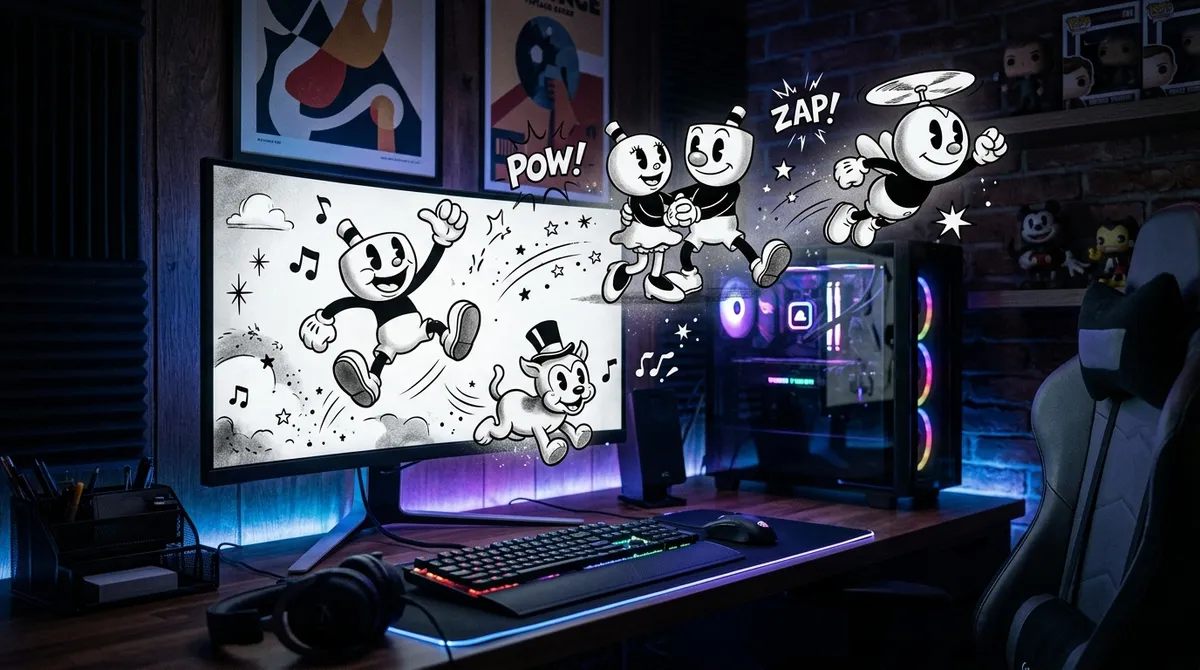
In recent years, the gaming industry has witnessed a resurgence of interest in retro animation. This nostalgic art style, reminiscent of early 20th-century cartoons, has captivated both developers and players. By blending traditional hand-drawn techniques with modern technology, these games create a unique visual experience that stands out in the crowded gaming landscape.
Why Retro Aesthetics Appeal to Gamers
The allure of retro aesthetics lies in their ability to evoke a sense of nostalgia. For many players, these styles remind them of classic cartoons like those featuring iconic characters from the 1930s. This emotional connection not only draws in older audiences but also introduces younger generations to the charm of vintage animation. Additionally, the simplicity and whimsy of these designs offer a refreshing escape from the hyper-realistic graphics that dominate the industry today.
Key Titles Embracing 1930s Animation
Among the games that have successfully adopted this style is Cuphead, a title that has won critical acclaim for its meticulously crafted visuals. With its hand-drawn animations and period-appropriate music, Cuphead transports players to a bygone era of animation. Other games have followed suit, each adding their unique twist to the retro aesthetic while maintaining the core elements that define the style. These games not only provide a visual treat but also deliver engaging gameplay that keeps players hooked.
The Creative Process Behind Retro-Inspired Games
Creating games that emulate 1930s animation involves a blend of artistry and technology. Developers begin by studying classic cartoons, identifying key elements that define the era's style. This research informs their design choices, from character outlines and movement to color palettes and background details. Modern tools and software then allow artists to bring these elements to life, creating animations that feel both authentic and vibrant. The result is a seamless fusion of old and new, offering a gaming experience that is both nostalgic and innovative.
Challenges and Rewards of Developing Retro Games
While the retro style offers unique opportunities, it also presents challenges. Hand-drawn animations require significant time and skill, as each frame must be meticulously crafted. Developers must balance authenticity with playability, ensuring the game's mechanics are as engaging as its visuals. Despite these challenges, the rewards are considerable. Games that successfully capture the essence of 1930s animation often enjoy critical acclaim and a dedicated fan base, proving that audiences appreciate creative risks.
Looking Ahead: The Future of Retro Animation in Gaming
The success of games using vintage animation styles suggests a promising future for this niche genre. As developers continue to push creative boundaries, we can expect to see more titles exploring the rich potential of retro aesthetics. These games not only celebrate the history of animation but also pave the way for innovative storytelling and artistic expression in the gaming industry.
In conclusion, while photorealism remains a dominant force in video game design, the rise of games inspired by 1930s animation highlights the industry's diversity. By embracing the past, developers are creating new experiences that resonate with players worldwide, proving that sometimes, looking back is the best way forward.