Gaming has moved far beyond the console, and Licensing Expo 2026 will put that shift in the spotlight. The Las Vegas event is set to examine how video game properties now drive entertainment trends, consumer products, fan culture, retail strategy, and cross-platform storytelling. As interactive brands grow into global franchises, the licensing industry is watching closely.
Licensing Expo 2026 Highlights the Power of Gaming IP
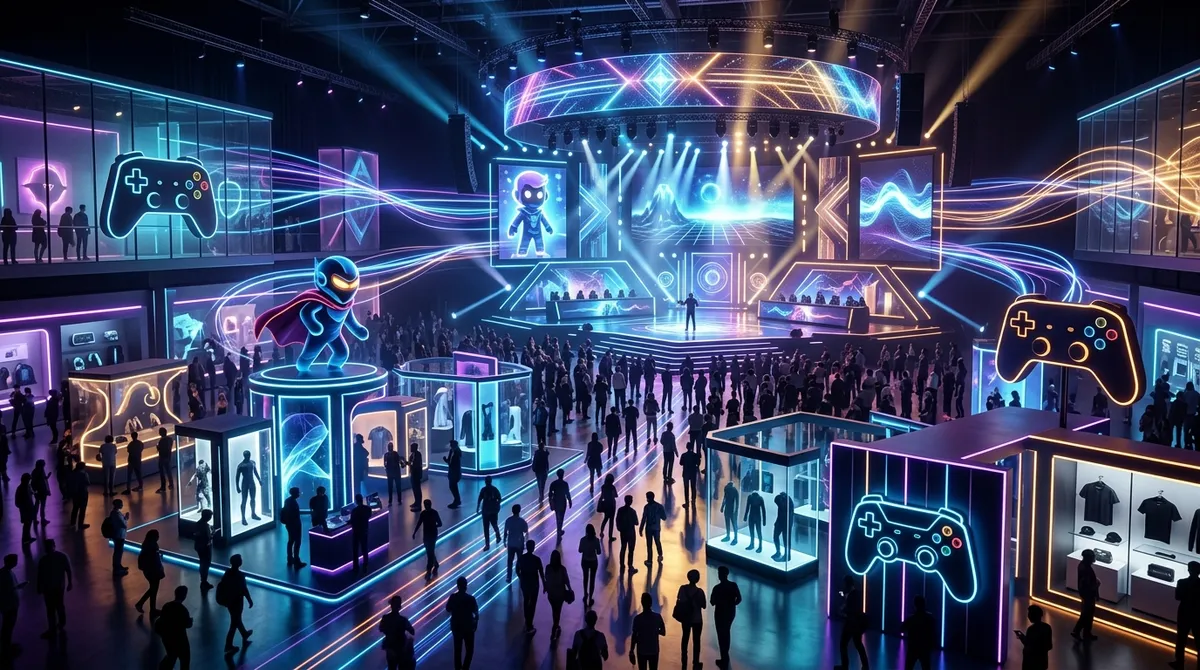
Licensing Expo 2026 is expected to bring brand owners, agents, manufacturers, retailers, and entertainment leaders together at Mandalay Bay Convention Center in Las Vegas. One of the event's key discussions will focus on gaming's expanding role in mainstream culture.
The featured panel will explore how gaming brands are becoming major forces across film, television, streaming, merchandise, fashion, location-based entertainment, publishing, and live experiences. This topic reflects a larger industry reality. Video games are no longer treated as one category within entertainment. They increasingly act as engines for global brand development.
For licensing professionals, that change creates both opportunity and complexity. A successful game can inspire toys, apparel, collectibles, food collaborations, books, animation, and theatrical adaptations. Yet gaming audiences also expect authenticity. Fans often notice when a product partnership feels rushed or disconnected from the original experience.
Why Gaming Brands Are Moving Into the Mainstream
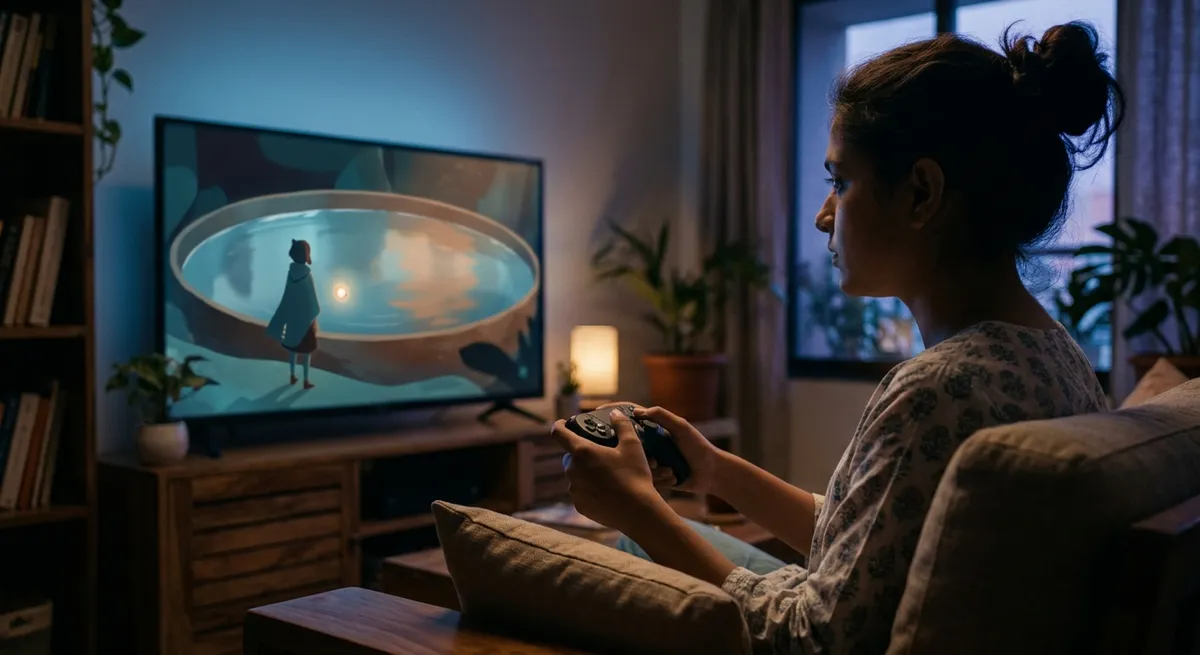
Several forces are pushing gaming properties into broader entertainment channels. First, video games now reach massive global audiences across consoles, PCs, mobile devices, and cloud platforms. Many players spend years with the same franchise. That long-term engagement builds emotional loyalty.
Second, game worlds offer rich storytelling foundations. Characters, settings, music, lore, and visual identities can support many product categories. A fantasy adventure game can become a toy line. A competitive title can support apparel and live events. A family-friendly mobile game can grow into animation, publishing, and back-to-school merchandise.
Third, gaming communities are highly active online. Fans create videos, stream gameplay, discuss updates, share artwork, and attend events. This constant participation keeps brands visible between new releases. For licensors, that engagement can create valuable demand before a consumer product even reaches shelves.
The Licensing Expo 2026 panel is timely because companies across entertainment now view games as launchpads. Instead of adapting games as an afterthought, studios and manufacturers increasingly plan broader ecosystems from the start.
From Game Screen to Retail Shelf
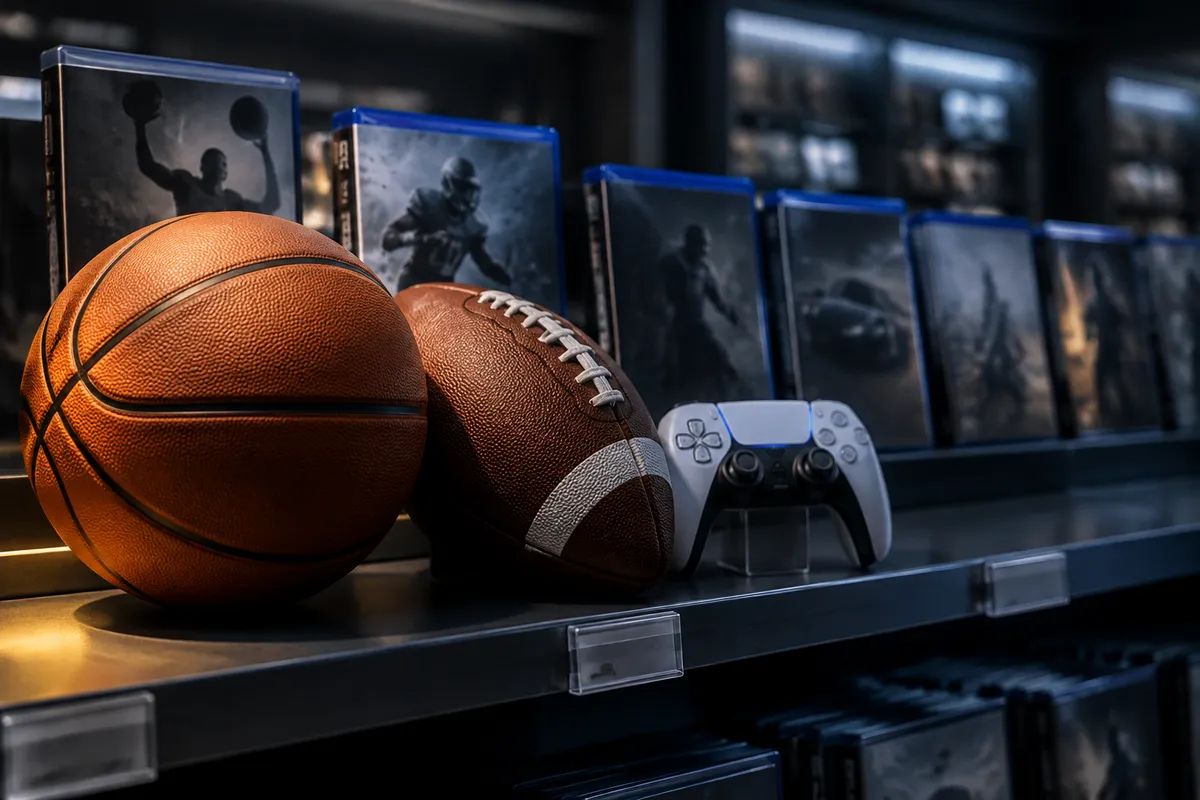
Video game licensing has become a powerful retail strategy. Characters and logos appear on apparel, accessories, plush, toys, collectibles, home goods, beauty products, and limited-edition food items. These products give fans new ways to express identity and connection.
However, gaming merchandise works best when it understands the audience. A generic logo placement may not satisfy dedicated fans. Successful programs often use recognizable symbols, in-game details, character relationships, environments, and story moments. The strongest products feel like extensions of the world players already love.
Retailers are also changing how they approach gaming merchandise. Many now see interactive entertainment as a year-round category, not just a holiday opportunity. Product drops can align with game updates, anniversaries, downloadable content, esports tournaments, movie releases, or fan conventions.
This creates a more dynamic licensing calendar. It also encourages closer collaboration between game publishers, licensees, retailers, and marketing teams.
Entertainment Adaptations Are Raising the Stakes
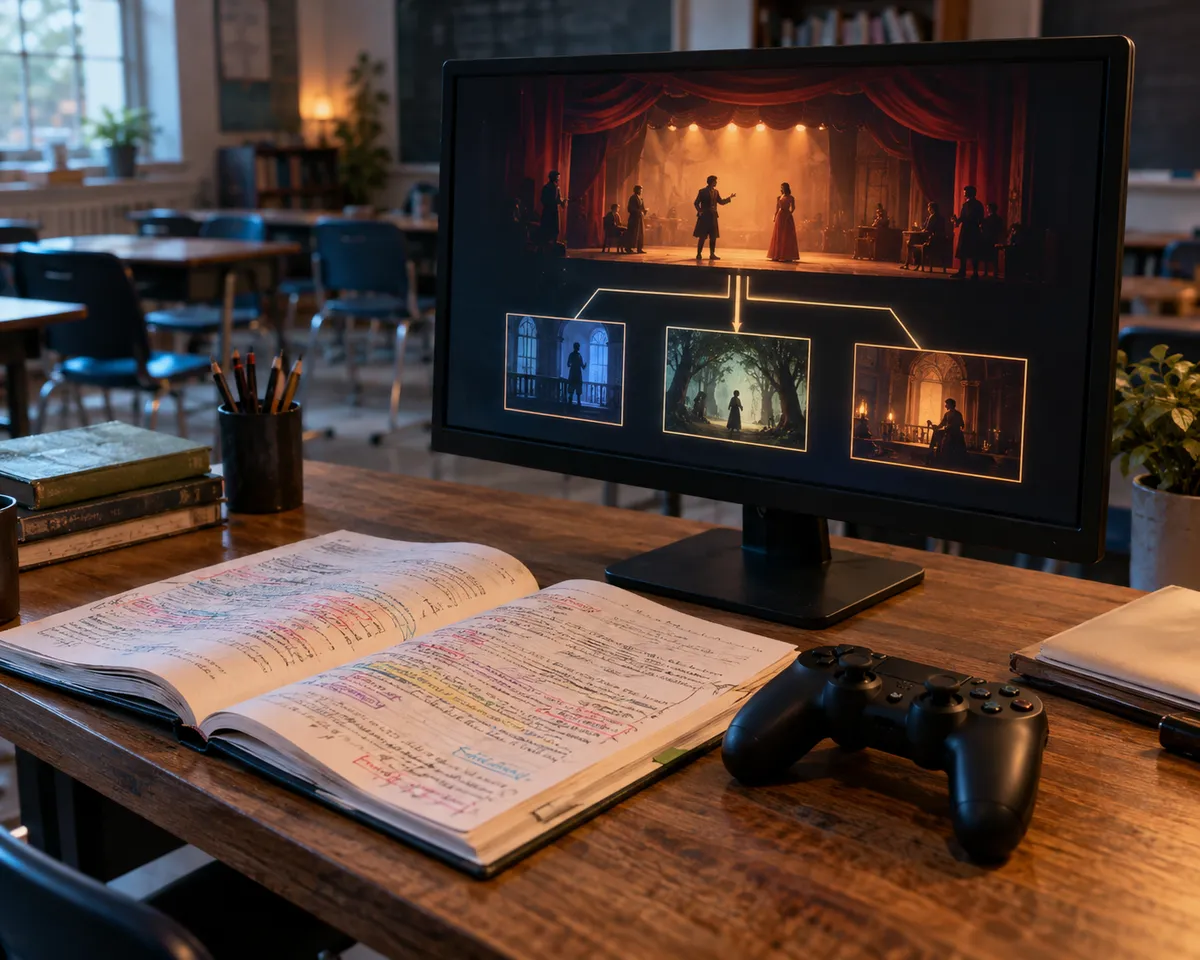
Film and television adaptations have helped prove the cultural strength of gaming IP. When a game expands successfully into scripted entertainment, it can reach viewers who may never play the original title. That wider exposure can then drive interest back to the game and related merchandise.
Streaming platforms, studios, and production companies now pay close attention to gaming franchises with established worlds and passionate communities. These brands often arrive with built-in awareness. Still, audience trust remains crucial. Fans want adaptations that respect the tone, characters, and story rules of the source material.
That is why licensing strategy must connect with creative development. A strong consumer products program should reflect the same brand values seen in the game and any screen adaptation. Inconsistent messaging can weaken momentum. Unified storytelling can strengthen it.
Fan Communities Are Driving Brand Value
Gaming fans are not passive consumers. They participate, remix, compete, collect, and communicate. This makes gaming communities especially influential in brand licensing.
Social media, livestreaming, esports, and creator platforms help turn games into shared cultural moments. A new character skin, map, trailer, or collaboration can generate immediate conversation. That speed gives brands valuable visibility, but it also increases pressure to deliver quality.
Licensing partners need to understand the difference between broad awareness and deep fandom. A popular game may have casual players, competitive players, collectors, lore experts, and younger fans. Each group may respond to different products and campaigns.
The best licensing programs use audience insight before choosing categories. They ask what fans want to wear, display, play with, gift, or collect. They also consider price points, regional preferences, and platform-specific behavior.
What the Panel Means for Licensing Professionals
The gaming-focused session at Licensing Expo 2026 signals an important shift for the wider brand licensing market. Gaming is not just a digital entertainment category. It is a cultural pipeline that influences consumer products, media planning, retail partnerships, and fan engagement strategies.
For rights holders, the discussion can help clarify how to build franchises that travel across formats. For manufacturers, it can reveal how to design products that feel relevant to players. For retailers, it can highlight how gaming brands bring loyal audiences into stores and online shops.
Agents and brand managers can also benefit from understanding how gaming deals differ from traditional entertainment licensing. Game brands often evolve after launch. Updates, seasons, patches, expansions, and community responses can change what audiences care about. Licensing plans need enough flexibility to keep pace.
Authenticity Remains the Core Challenge
As gaming brands enter more mainstream spaces, authenticity becomes a key business issue. Fans can quickly identify shallow partnerships. They expect accuracy in design, tone, naming, character use, and product quality.
This does not mean every product must target hardcore players. Many gaming franchises now reach families, casual viewers, collectors, and fashion consumers. But even broad products should respect the brand's identity.
Effective licensing teams often work closely with game studios, creative leads, and community experts. They review artwork, product concepts, packaging, and marketing language. This process can protect the brand while helping partners create stronger products.
Authenticity also applies to timing. Launching merchandise too early may create confusion. Launching too late may miss peak interest. The most effective campaigns connect with meaningful brand moments, such as new releases, anniversaries, major updates, or entertainment premieres.
Gaming Is Reshaping the Future of Brand Licensing
The rise of gaming IP reflects a broader change in how audiences experience entertainment. People no longer discover brands through only one channel. They may play a game, watch a series, buy a collectible, follow a creator, attend an event, and join an online community around the same franchise.
This connected behavior gives gaming brands unique licensing strength. It also requires more thoughtful planning. Companies must consider storytelling, product design, community response, retail placement, and digital engagement as part of one ecosystem.
Licensing Expo 2026 will offer an important stage for that conversation. By focusing on gaming's role in entertainment and consumer products, the event will help industry leaders understand where the market is heading next.
Conclusion
Gaming has become one of the most influential forces in modern licensing. Its strongest brands combine interactive storytelling, loyal communities, memorable characters, and constant digital conversation. As Licensing Expo 2026 explores this transformation, one message is clear: video game properties are no longer niche opportunities. They are shaping the future of mainstream entertainment and brand partnerships.